

PREVENT SPINE AND BACK PROBLEMS

Updated: Apr 3

The tiger, the wolf, and the fierce ape
All keep their bodies in excellent shape.
Keep treating your spine with care and grace,
Like brushing your teeth and washing your face.
Your spine hurts? Look for a spasm!
We have already discussed how to get rid of back pain. Even if it goes away, however, it does not necessarily mean that you managed to solve the main problem -- those muscle spasms that block your vertebral joints and obstruct blood circulation. As a result, the undernourished intervertebral disk may degenerate, pinch the adjacent tissue, and cause low back pain all over again.
To protect disks from degeneration, unblock your spinal joints on a regular basis.
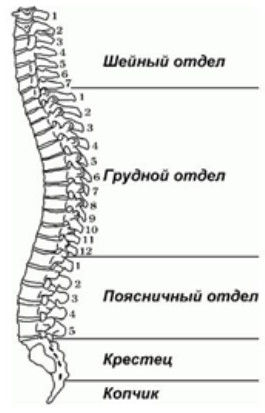
Cervical spine…. Thorax spine… Lumbar spine… Sacrum…Coccyx
To protect your disks from degeneration and make sure they receive proper nutrition, you need to unblock your spinal joints on a regular basis, that is, use preventive maintenance. Does anyone mind brushing their teeth every day and paying regular visits to a dentist? Yet we treat our spine much like the liver, something hidden deep inside the body and taken for granted until it’s time to rush to the doctor who will likely– and unjustly -- blame old age for our spinal disorders.
Well, modern medical science realizes that the picture is more complicated. The spine, like teeth, needs regular care and certain preventive measures that may alleviate and even reverse its wear and tear caused by aging.
Reasons for muscle spasms
Back pain can be avoided by eliminating the following reasons for muscle spasms.
Reason one: common cold and overexposure to low temperatures
Porfiriy Ivanov, the Russian founder of the well-known system of exposure to cold water for better health, was in excellent shape well into old age.
The lower back hates cold and needs to be protected from excess exposure to low temperatures and drafts. A warm, soft bandage can be used to wrap it in winter. The best way to prevent both muscle spasms and the common cold, however, is physical conditioning.
Start by rubbing the lower back with your hands, a massager, or a bath towel until it’s hot. Then rub it alternatively with a towel soaked in cold water and a dry one.
Once you get used to this procedure, start dousing with cold water – first your hands and feet, then your shoulders and hips, and, finally, pour a small amount on the back of your head, the lower back, the face, and the chest. The whole procedure should last no longer than a minute or two. This exercise will protect you from back pains as well as from common colds, weakness, and fatigue, since cold therapy is an unlimited source of good health.
Reason two: bad posture
Muscles that are not allowed to breathe suffocate and start “yelling” at you.
Always try to keep your spine straight. Use a comfortable chair of proper height and a good backrest. Otherwise, straighten your spine and exercise briefly once or twice an hour. When muscles are not allowed to breathe, they suffocate and start “yelling” at you in the language of spasms and cramps that you experience as back pain.
The position of the spine during sleep is critical. Use a bed with a firm platform and a perfectly flat semi-soft mattress. Checking the quality of your bed is easy. If your neck, back, or whole body aches in the morning, find a firmer mattress. Your pillow should not be too high either; in fact, you would do better without one.
Reason three: improper lifting of heavy loads
The more you bend the lumbar spine when lifting a heavy load, the greater is the chance of injury.
It’s important to lift heavy loads with your legs and not your back.
Bending forward and straightening your back under a load compromises the integrity of the spine. Keeping your back as straight as possible when you lift things means a smaller load on the lumbar region, and a lower chance of injury, herniation, nerve pinching, and radiculitis.
These simple personal prevention measures are a must for everybody. They can be complemented by a few brief sessions of professional manual therapy a year. This therapy (including neuromuscular massage and manual decompression) has a profound rehabilitative effect on core muscles.
Stay clear of forceful (“cracking”) bone-setting manipulations, especially if they are offered repeatedly at short intervals.
On the other hand, stay clear of forceful (“cracking”) bone-setting manipulations, especially if they are offered repeatedly at short intervals. Research has demonstrated that such aggressive procedures destabilize core muscles and accelerate spine degeneration.
Specialists can certainly help you, especially in acute conditions where professional intervention is necessary. Yet no doctor or massage therapist can substitute your own efforts. To consolidate the results of medical treatment, you have to learn and regularly perform special exercises that will isometrically strengthen your paravertebral muscles – preferably under the supervision of a skilled and trusted instructor.
Read more>


Comments